
Transforming your ideas into digital reality
Sed ut perspiciatis unde omnis natus error voluptatem santium doloremque laudantium, totam rem aperiam, eaque ipsa quae ab nllo inventore veritatis quasi architecto beatae vitae
- Call Now
- Send Email
-
Address
Coming Soon
Unveiling the Aromatic Elegance: The Story of Basmati Rice
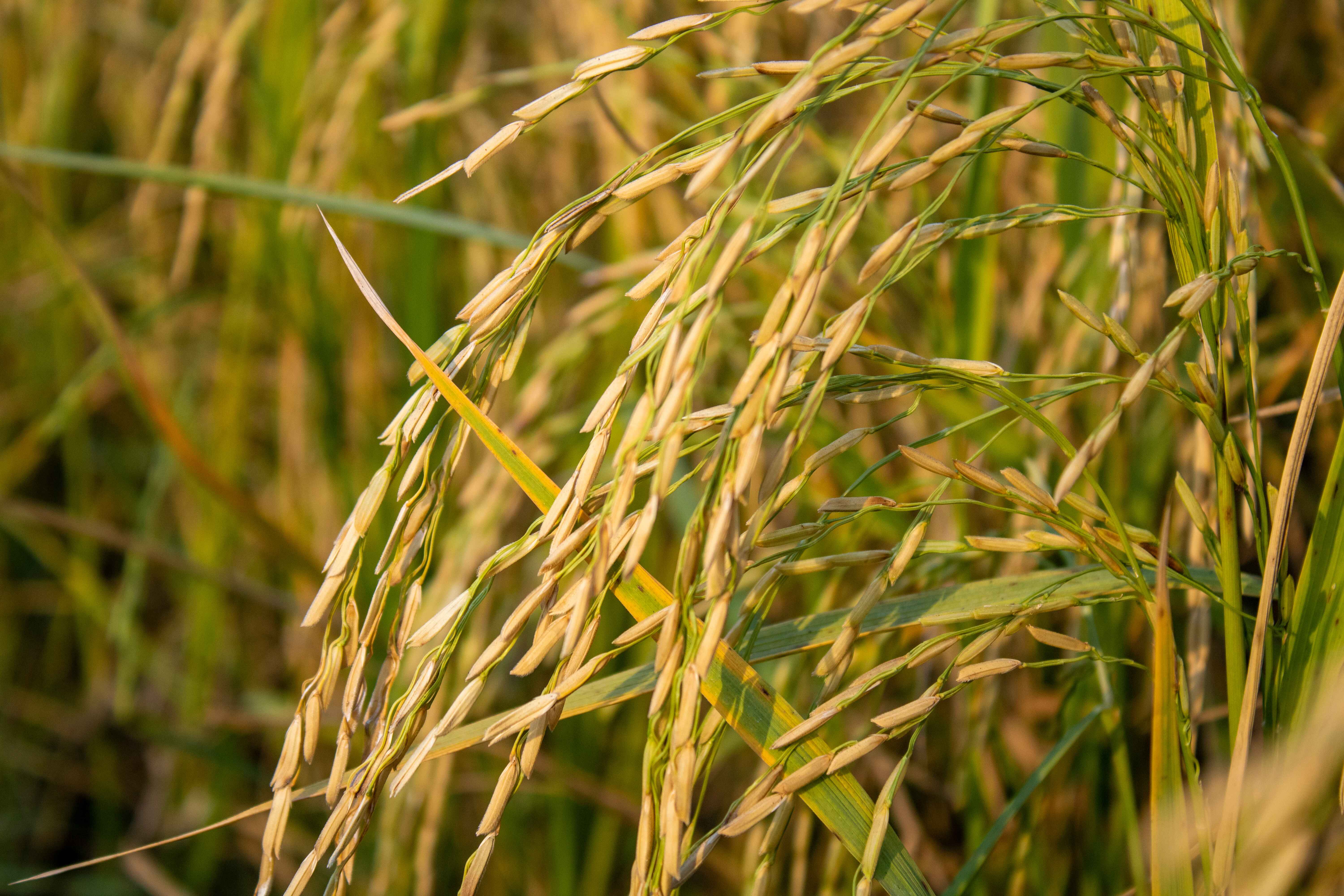
In the realm of culinary excellence, few grains hold as much allure and aroma as Basmati rice. With its slender, elongated grains and distinctive fragrance, Basmati has long been hailed as the king of rice varieties, revered by chefs, connoisseurs, and home cooks alike. Let's delve into the captivating tale behind this culinary gem.
**Origins and Heritage:**
The roots of Basmati rice can be traced back to the foothills of the Himalayas, where the unique climate, soil, and water of the region impart their magic to the grain. The word "Basmati" itself stems from the Sanskrit word "vasmati," meaning fragrant. Legend has it that Basmati rice was first cultivated in the Indian subcontinent over 2,000 years ago, cherished by emperors and nobles for its delicate flavor and exquisite aroma.
**Distinctive Characteristics:**
What sets Basmati apart from other rice varieties is its exceptional fragrance and elongated grains, which remain separate and fluffy when cooked. This is attributed to the unique composition of the rice, with its long, slender grains containing a low starch content and high amylose content. The aging process further enhances its aroma and flavor, making aged Basmati rice particularly prized.
**Culinary Delights:**
Basmati rice is a staple ingredient in many traditional dishes from South Asia, particularly in India and Pakistan. From aromatic biryanis and flavorful pilafs to creamy kheer and fragrant pulao, Basmati rice forms the foundation of countless culinary creations. Its ability to absorb flavors and spices while retaining its distinct aroma makes it a versatile and beloved choice in kitchens around the world.
**Cultural Significance:**
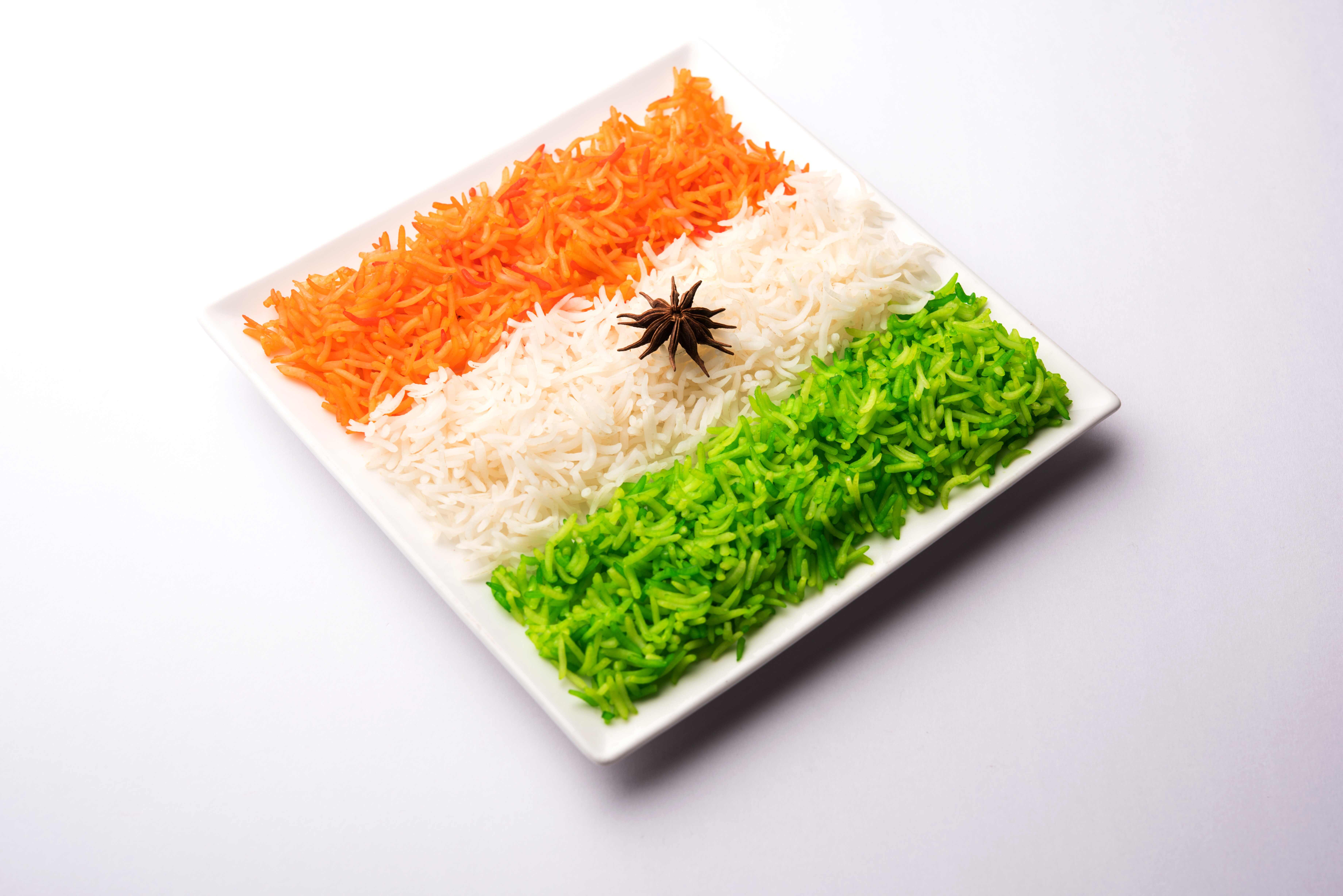
Beyond its culinary appeal, Basmati rice holds cultural significance in the regions where it is grown. It is often associated with celebrations, festivals, and special occasions, symbolizing abundance, prosperity, and hospitality. In Indian culture, serving Basmati rice to guests is considered a gesture of respect and honor, reflecting the deep-rooted reverence for this revered grain.
**Challenges and Conservation:**
Despite its popularity, Basmati rice faces challenges, including threats from climate change, diminishing water resources, and genetic erosion. Efforts are underway to preserve and protect heirloom varieties of Basmati rice, as well as to promote sustainable farming practices that ensure its continued cultivation for generations to come.
**Global Appeal:**
In recent years, Basmati rice has gained popularity beyond its traditional borders, finding favor among chefs and consumers worldwide. Its elegant aroma, delicate flavor, and fluffy texture have made it a sought-after ingredient in upscale restaurants, gourmet markets, and home kitchens across continents.
Basmati rice is more than just a culinary ingredient; it is a symbol of tradition, heritage, and culinary excellence. From its humble origins in the foothills of the Himalayas to its widespread acclaim on the global stage, Basmati rice continues to captivate hearts and palates with its aromatic elegance and timeless appeal. As we savor each fragrant grain, we honor the rich legacy and cultural significance of this beloved rice variety.