Transforming your ideas into digital reality
Sed ut perspiciatis unde omnis natus error voluptatem santium doloremque laudantium, totam rem aperiam, eaque ipsa quae ab nllo inventore veritatis quasi architecto beatae vitae
- Call Now
- Send Email
-
Address
Coming Soon
Rediscovering India's Ancient Grains: A Dive into the Diversity of Indian Millets
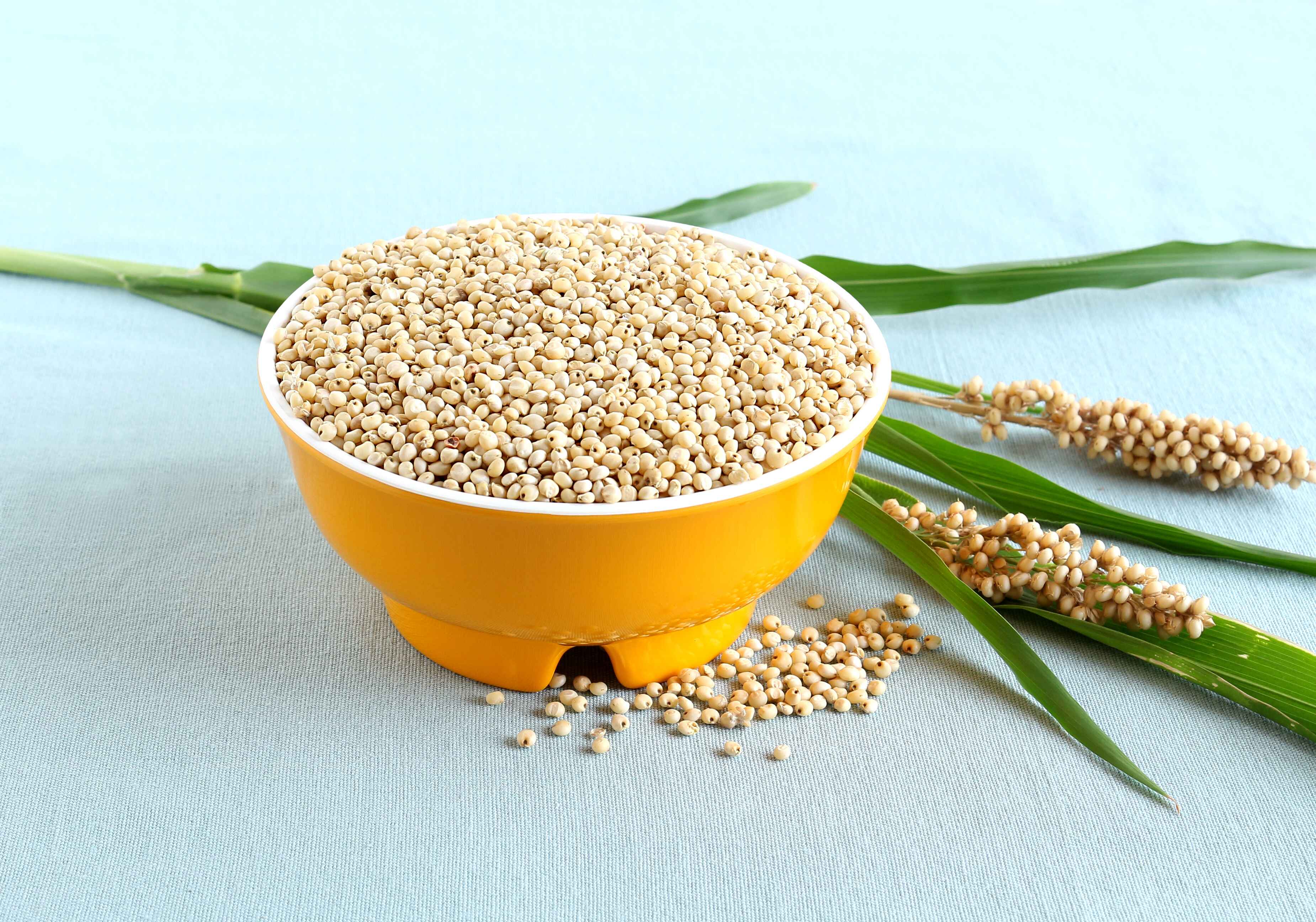
In recent years, there has been a revival of interest in ancient grains, and Indian millets have taken center stage as nutritious and sustainable alternatives to mainstream cereals. Millets, known for their resilience and adaptability, have been cultivated in India for thousands of years. In this article, we will explore the diverse world of Indian millets, shedding light on their nutritional benefits, culinary versatility, and their significance in promoting a healthier and more sustainable lifestyle.
1. **Sorghum (Jowar):**
One of the most widely cultivated millets in India, sorghum is a staple in many households. With a mildly sweet flavor, jowar is rich in fiber, protein, and essential minerals. It is often ground into flour and used to make traditional flatbreads like Bhakri in Maharashtra or Roti in Karnataka.
2. **Pearl Millet (Bajra):**
Bajra, with its nutty flavor and slightly chewy texture, is a powerhouse of nutrition. It is a common grain in Rajasthan and Gujarat, where it is used to make hearty rotis. High in iron, magnesium, and fiber, pearl millet is an excellent choice for those seeking a gluten-free alternative.
3. **Finger Millet (Ragi):**
Ragi, also known as finger millet, is celebrated for its exceptional nutritional profile. Rich in calcium, iron, and amino acids, ragi is a preferred choice for individuals looking to enhance bone health and boost overall well-being. Ragi is often used to make dosas, porridge, and even baked goods.
4. **Foxtail Millet (Kangni):**
Kangni, or foxtail millet, has a delicate taste and is easy to digest. It is a great source of carbohydrates and dietary fiber, making it an ideal choice for those with gluten sensitivity. In some regions, foxtail millet is used to prepare traditional sweets and snacks.
5. **Little Millet (Kutki):**
Kutki, known for its small, round grains, is a nutrient-dense millet. It is rich in B vitamins and minerals, making it a valuable addition to a balanced diet. Little millet is often used in dishes like upma, pulao, and kheer.
6. **Barnyard Millet (Sanwa):**
Sanwa, or barnyard millet, is a fast-cooking grain with a mild taste. It is commonly used during fasting periods in many Indian households. With its high fiber content, barnyard millet aids in digestion and helps maintain a healthy gut.
7. **Kodo Millet (Kodon):**
Kodo millet is a nutrient-dense grain, rich in antioxidants and essential minerals. It has a nutty flavor and is often used in dishes like idlis, dosas, and pulao. Kodo millet is gaining popularity for its role in supporting sustainable agriculture practices.
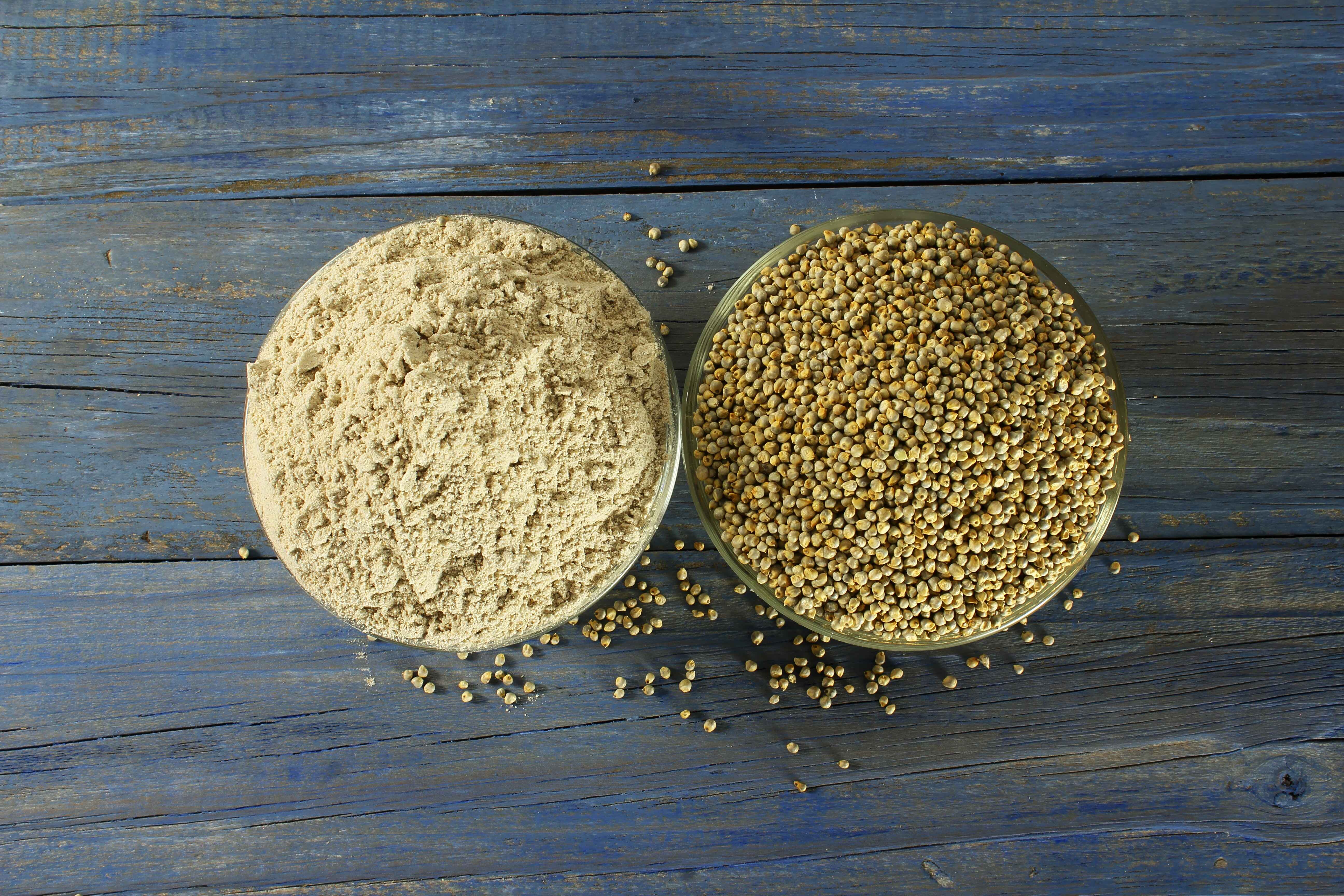
As we embrace the global movement towards sustainable and nutritious eating, Indian millets stand out as versatile, healthful, and culturally significant grains. From the robust jowar to the powerhouse of nutrients, ragi, each millet offers a unique culinary experience while contributing to a more sustainable and resilient food system. By rediscovering and incorporating these ancient grains into our diets, we not only nurture our bodies but also honor the agricultural heritage that has sustained communities across India for generations. It's time to celebrate the diversity of Indian millets and let them reclaim their well-deserved place on our plates