Transforming your ideas into digital reality
Sed ut perspiciatis unde omnis natus error voluptatem santium doloremque laudantium, totam rem aperiam, eaque ipsa quae ab nllo inventore veritatis quasi architecto beatae vitae
- Call Now
- Send Email
-
Address
Coming Soon
Exploring the Rich Tapestry of Indian Spices: A Culinary Journey
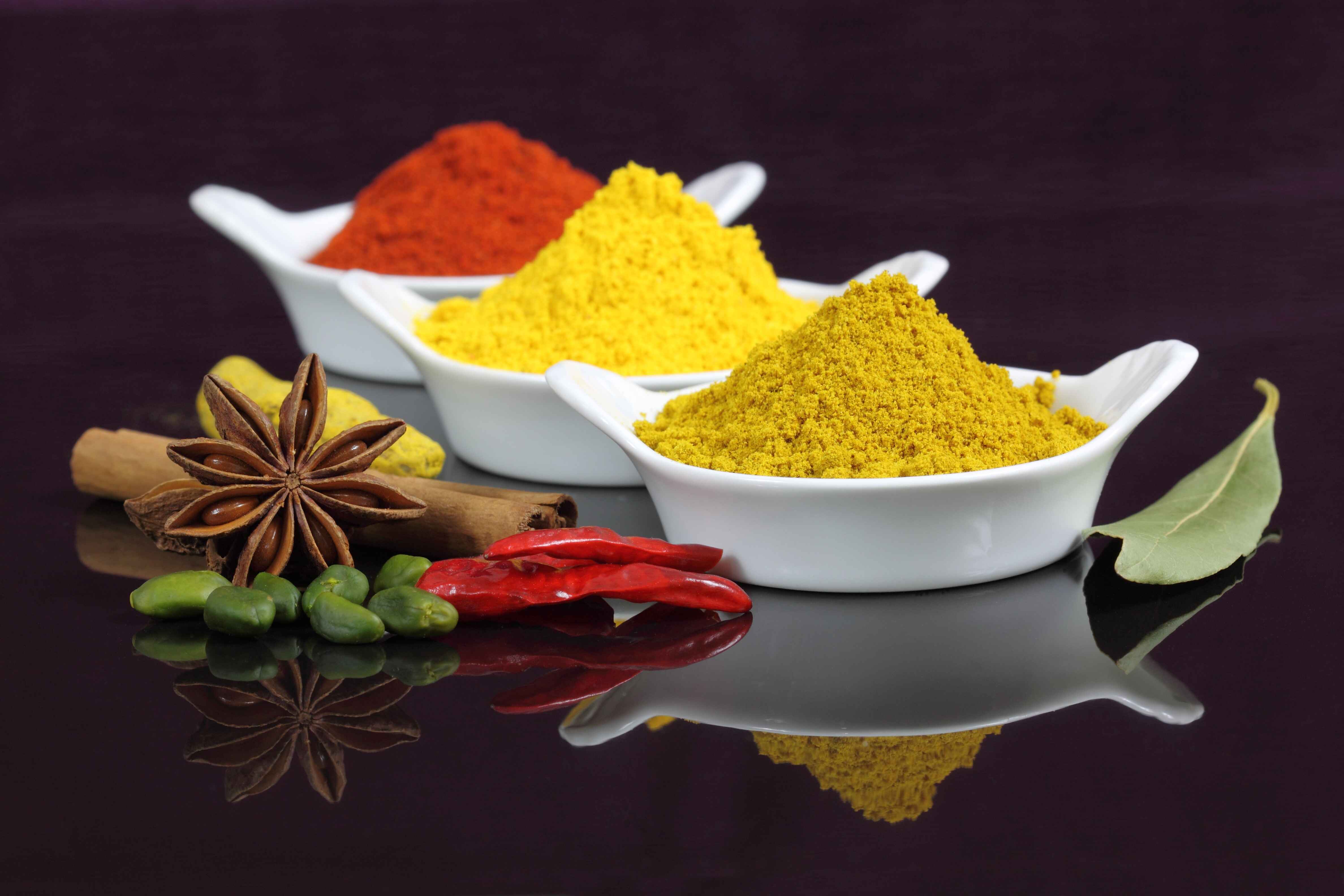
Indian cuisine is renowned worldwide for its vibrant flavors, aromatic spices, and diverse regional specialties. At the heart of this culinary tradition lies a rich tapestry of spices, each contributing its unique essence to the myriad dishes that grace dining tables across the subcontinent. From the fiery red of chili powder to the earthy warmth of cumin, Indian spices play a central role in elevating dishes to culinary masterpieces.
The Spice Route:
India's history is intertwined with the story of spices, which have been treasured commodities since ancient times. The Spice Route, a network of trade routes that connected the Indian subcontinent with the Mediterranean, Middle East, and beyond, facilitated the exchange of spices and other valuable goods, shaping cultures and economies along the way. Indian spices such as black pepper, cardamom, cloves, and cinnamon were highly coveted by traders and explorers, earning India the title of "The Land of Spices."
A Symphony of Flavors:
Indian spices encompass a vast array of flavors, colors, and aromas, each imparting its distinct character to dishes. Some of the most commonly used spices in Indian cuisine include:
1. **Turmeric (Haldi):** Known for its vibrant yellow color and earthy flavor, turmeric is a staple in Indian cooking. It is prized for its medicinal properties and is used in curries, rice dishes, and spice blends like garam masala.
2. **Cumin (Jeera):** Cumin seeds add warmth and depth to dishes, with a slightly nutty and peppery flavor. They are often toasted and ground before being added to curries, soups, and vegetable dishes.
3. **Coriander (Dhania):** Both the seeds and the fresh leaves (cilantro) of the coriander plant are used in Indian cuisine. The seeds have a citrusy, slightly sweet flavor and are ground into spice mixes and marinades.
4. **Chili Powder (Lal Mirch):** Indian cuisine is known for its bold and spicy flavors, thanks in part to the use of chili powder. It adds heat and intensity to curries, sauces, and snacks.
5. **Garam Masala:** A fragrant blend of spices including cardamom, cinnamon, cloves, and peppercorns, garam masala is a cornerstone of Indian cuisine. It is added towards the end of cooking to enhance the flavors of savory dishes.
Culinary Diversity:
India's vast geographical and cultural diversity is reflected in its culinary landscape, with each region boasting its unique spice blends and cooking techniques. From the fiery curries of the south to the aromatic biryanis of the north, Indian cuisine offers a kaleidoscope of flavors and experiences to delight the senses.
Health Benefits:
Beyond their culinary allure, Indian spices are valued for their numerous health benefits. Turmeric, for example, is renowned for its anti-inflammatory properties, while cinnamon may help regulate blood sugar levels. Many spices are also rich in antioxidants and essential nutrients, making them valuable additions to a balanced diet.
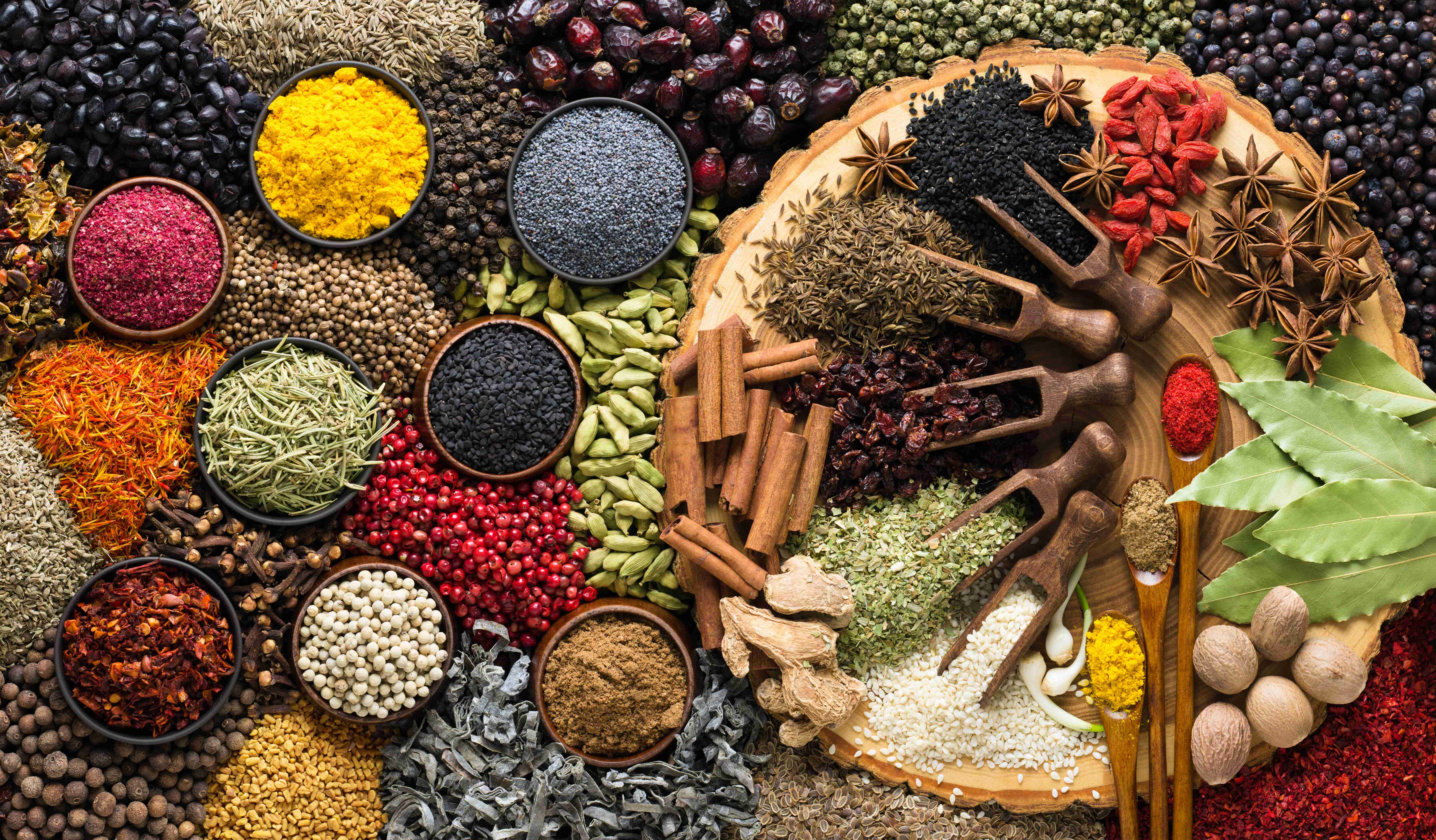
Indian spices are more than mere flavorings; they are the soul of Indian cuisine, weaving together centuries of tradition, culture, and culinary artistry. As global interest in Indian food continues to grow, the magic of Indian spices remains a beacon of inspiration for chefs, home cooks, and food enthusiasts around the world. Whether savoring a fragrant curry or crafting a spice blend from scratch, the journey through India's spice-laden landscape is a testament to the enduring legacy of flavor and heritage